
BIOGRAPHICAL SERIES · INDEPENDENT EDITORIAL
Inside the International Baccalaureate framework
Share this article
For Instagram, TikTok and other apps, use More apps where supported, or copy the link and paste it into your post or message.
The programme announced for Infanta Sofía in Wales brought academic subjects together with research, creative activity and service.
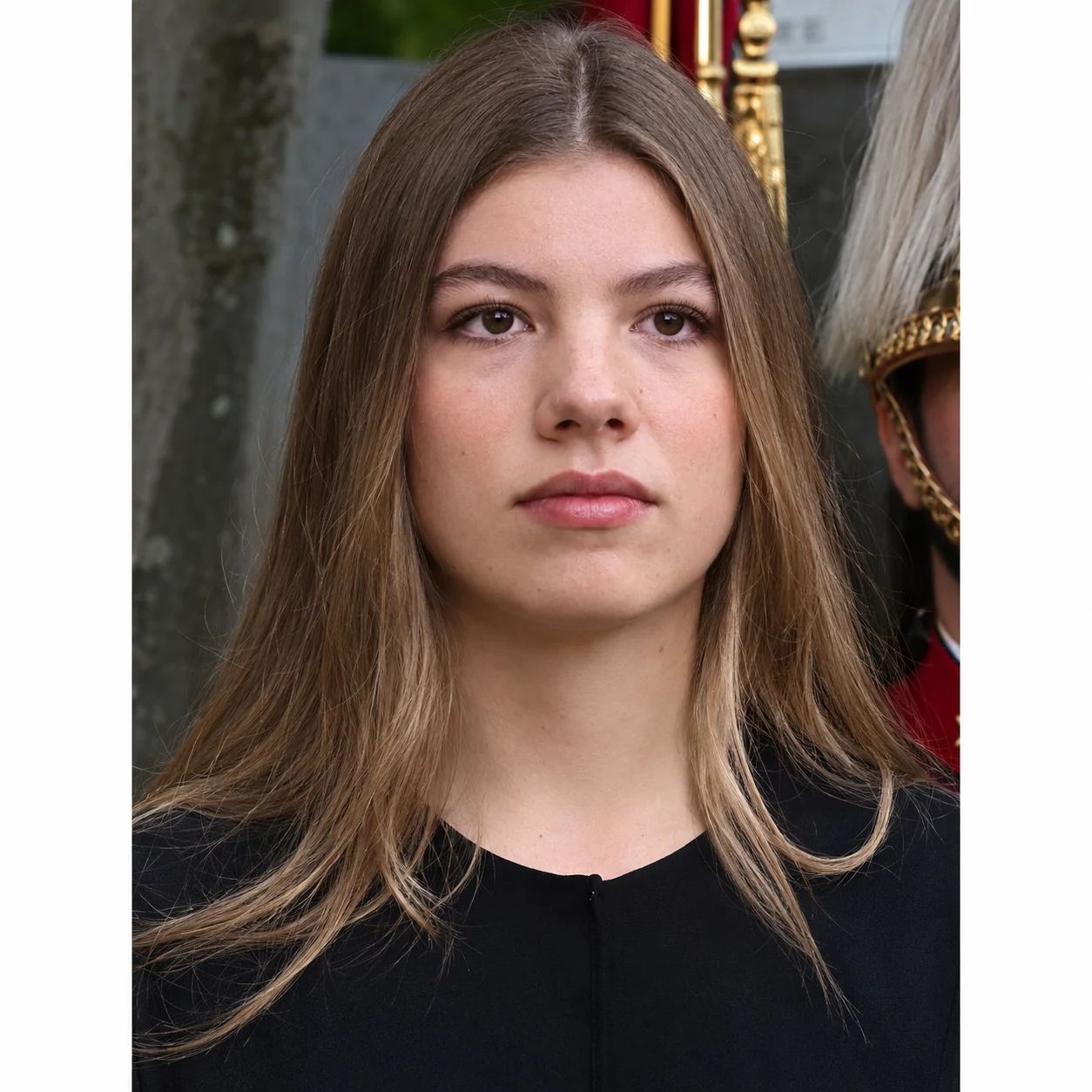
On 6 February 2023, Casa Real announced that Infanta Sofía would study for the International Baccalaureate at UWC Atlantic College in Wales. The plan covered two academic years, 2023–24 and 2024–25, and followed her successful completion of the selection process required by UWC Spain. She would live at the college as a boarder, making residence part of the announced educational arrangement as well as classroom study.
The announcement described more than a list of school subjects. Sciences and humanities would sit alongside theory of knowledge, a research essay, creativity, activity and community service. These elements give a useful picture of the framework in which Sofía’s Welsh education was planned. Some concern how students approach academic questions; others create opportunities to learn through projects and participation beyond conventional lessons.
A two-year framework
The planned course at UWC Atlantic College extended over the academic years 2023–24 and 2024–25. That span matters: the International Baccalaureate framework joins several kinds of work across a sustained period rather than treating each component as a separate short course. Sofía’s selection through UWC Spain came before the announcement, while the two years themselves were presented in February 2023 as the programme she would undertake.
A two-year programme also gives an essay, for example, a different place in a student’s education from a single classroom exercise. There is room to move from choosing a question to examining material and organising an argument. The same broad timetable accommodates academic study alongside other activities. For a reader following Sofía’s biography, the dates identify the intended period in Wales without turning an announced course into a claim about a particular result.
Sciences and humanities together
Casa Real’s announcement placed sciences and humanities together in its description of the programme. That combination brings fields concerned with the natural world into conversation with subjects that explore human societies, ideas and culture. The distinction is useful, though not absolute: both can involve careful observation, weighing evidence and explaining conclusions. The announcement described these broad areas rather than listing Sofía’s individual subjects.
A scientific question might be approached through observation or experiment, while a question in the humanities might call for interpreting a text or examining historical evidence. Each approach asks the student to consider what supports an answer. Studying across broad fields can therefore mean encountering different forms of argument, not simply collecting more subjects. The announced balance is a feature of the programme, not a timetable of Sofía’s particular classes.
Theory of knowledge
Theory of knowledge was another named element of the announced course. In ordinary terms, it asks students to think about knowledge itself: how people arrive at a claim, what grounds they have for accepting it and how far it can be trusted. The questions reach across subjects, allowing students to consider whether evidence, interpretation and certainty work in the same way in different fields.
For instance, a measurement in science and an interpretation of a historical document may both support an argument, but they do so in different ways. Theory of knowledge offers a way to examine that difference rather than assuming that every question has the same kind of answer. Its place in the programme complements the announced mix of sciences and humanities by making the methods behind subjects a topic of study.
The research essay
The research essay gave the announced programme a place for sustained investigation in writing. A research essay begins with a question or topic and develops an answer through an organised examination of relevant material. It is different from a quick response to a classroom prompt: the writer must decide what belongs in the argument and show how the evidence relates to the conclusion.
A strong research question is narrow enough to investigate and clear enough to guide the choice of material. Writing then involves more than presenting information: it requires arranging findings, explaining their relevance and acknowledging where an argument has limits. These are general features of research writing. The 2023 announcement identified the essay as part of the programme, without specifying a subject or question chosen by Sofía.
Creativity and physical activity
Creativity and activity appeared alongside academic components in the programme description. Theatre and music illustrate the kinds of creative opportunities that might be available; sport is an example of physical activity. These examples help explain the breadth of the framework without assigning a particular production, instrument or sport to Sofía. The point is that the announced education included forms of participation beyond written academic work.
Creative work can involve making, rehearsing or refining something, while physical activity can develop through practice and participation. Both differ in form from a research essay, even if planning and reflection can matter to each. Their inclusion shows how the programme’s components fit together: study, investigation and activity occupy different kinds of time and call for different ways of working, rather than being interchangeable labels for the same classroom task.
Service and the wider community
Community service was also included in the announced programme. Coastal care is one example of an opportunity associated with it: work directed towards a shared environment rather than an individual academic assignment. As with theatre, music and sport, the example describes a possible activity, not a confirmed personal choice by Sofía. Service gives the framework a community-facing element alongside study, creativity and physical activity.
That outward-facing element connects with the wider UWC setting. Casa Real’s 2021 description characterised UWC as an international educational movement supporting intercultural understanding, peaceful coexistence and sustainability, with diverse boarding communities. Sofía’s announced residence at UWC Atlantic College placed her planned studies in that boarding context. The next chapter looks more closely at the international community surrounding the college and what its educational setting means.
A question to take with you
What did Sofía’s announced International Baccalaureate programme include?
Reveal the answer
It combined sciences and humanities with theory of knowledge, a research essay, creativity, activity and community service. The announced course at UWC Atlantic College covered the 2023–24 and 2024–25 academic years.
Reading progress is saved only in this browser. It is not linked to your account.
Sources and further reading
- Casa Real · Official eighteenth-birthday profile
- Casa Real · Education announcement, February 2023
- Casa Real · Objetivo Patrimonio awards, December 2024
- Casa Real · Leonor’s constitutional oath: Sofía’s attendance
- Casa Real · Constitutional roles and succession
- Casa Real · UWC educational context in the 2021 announcement
Editorial sources checked: 2026-11-12